VISUAL & SPATIAL DOCUMENTATIONFIELD-READY DIGITAL INSPECTION

MINE HOIST INSPECTION 01

Mine Hoist Inspection & Condition Assessment

Document the Hoisting System Before Small Problems Become Large Ones.

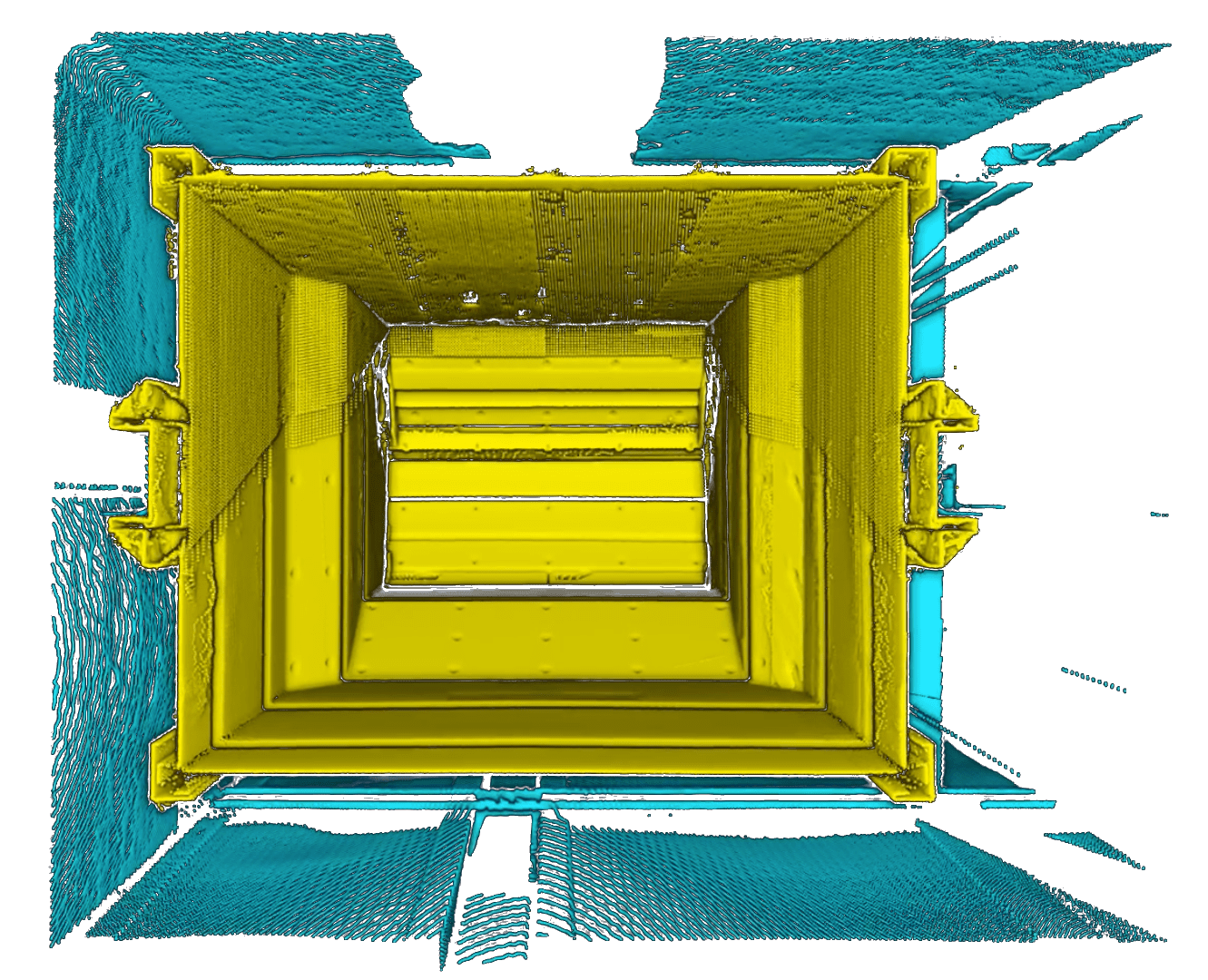
SafeSight adds high-resolution visual and 3D spatial documentation to mine hoist and shaft infrastructure inspection workflows. Capture measurable geometry, equipment interfaces and condition records that maintenance and engineering teams can review alongside their existing statutory inspection program.

The objective is simple:The goal is not another checklist. It is a digital record that helps the team see, measure and compare critical hoisting infrastructure over time.

Visual Record. Spatial Data. QA / QC.

HD VISUAL RECORD

Reviewable inspection imagery

3D SPATIAL DATA

Measurable infrastructure geometry

QA / QC

Installation and alignment documentation

HISTORICAL RECORD

Repeatable digital condition history

02 Condition Documentation

A Visual Inspection Record Should Not Disappear Into a Log Book.

INSPECTION RETENTIONBeyond the clipboard.A measurable record of what the infrastructure looked like at a specific point in time.
THE CHALLENGE

Traditional Limitations

Mine hoisting infrastructure is inspected and maintained through established site procedures and regulatory requirements. But traditional inspection records may still rely heavily on:

  • Written observations
  • Isolated photographs
  • Manual dimensions
  • Different inspectors
  • Separate maintenance files

Digital spatial documentation adds another layer: measurable 3D retention.

03 Digital Integration Process

From Inspection Window to Traceable Digital Record.

01

Capture

Use the appropriate SafeSight visual or spatial capture method to document the defined hoist / shaft infrastructure scope.

02

Review

Process imagery and spatial data so engineers and maintenance teams can inspect relevant geometry and condition information.

03

Retain

Deliver reports, 3D data and a historical digital record for future comparison and maintenance planning.

04 Scope & Delivery

Digital Documentation for Critical Hoisting Infrastructure.

Only components SafeSight can practically access and safely document are included in the scope. Deliverables are defined by the required engineering and maintenance outcome.

Conveyance Interfaces

Document geometry and clearances associated with conveyance movement within the designated hoist parameters.

Guides + Guide Interfaces

Capture alignment and spatial relationships where included in the defined infrastructure scope.

Shaft Steelwork

Document relevant structural geometry associated with the immediate hoisting environment.

Loading / Station Areas

Capture spatial context around loading points, shaft stations, and critical structural interfaces.

QA / QC

Compare installed infrastructure against design or required clearances where appropriate.

Repeat Condition Record

Use later scans or imagery to compare changes over time, establishing an ongoing baseline.

05 Quality Assurance

Create a Measurable QA/QC Record Before Commissioning or Repair Closeout.

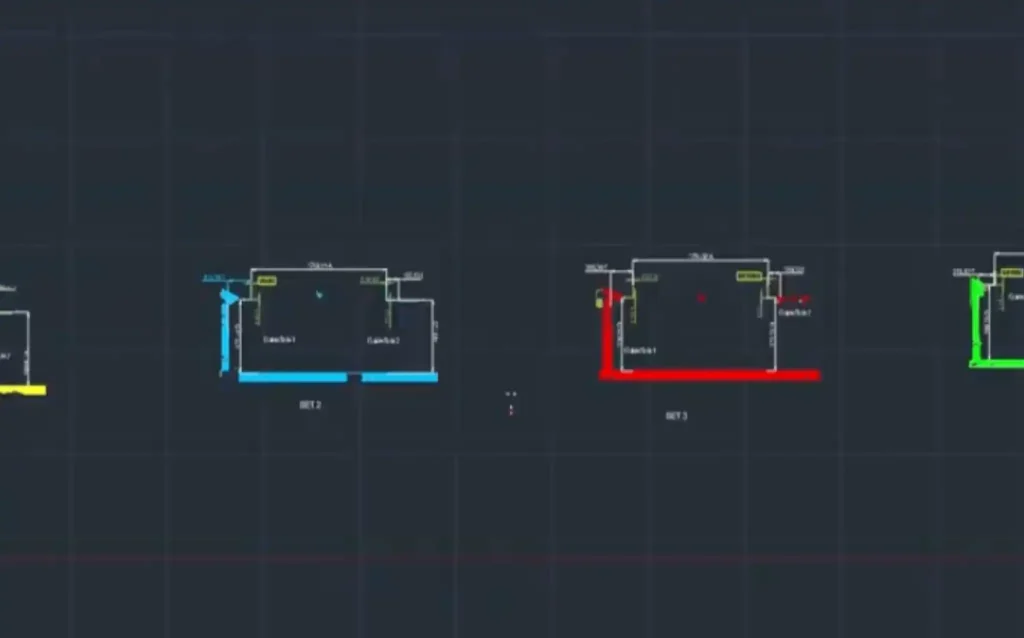
QA/QC review of shaft skip and infrastructure

During installation, rehabilitation or major maintenance, engineering teams may need more than photographs to verify work quality.

3D spatial capture can create a documented as-built reference for selected infrastructure so teams can review:

  • Alignment
  • Clearances
  • Position
  • Installed geometry
  • Relationship between components

06 Historical Baseline

The Second Scan Can Be More Valuable Than the First.

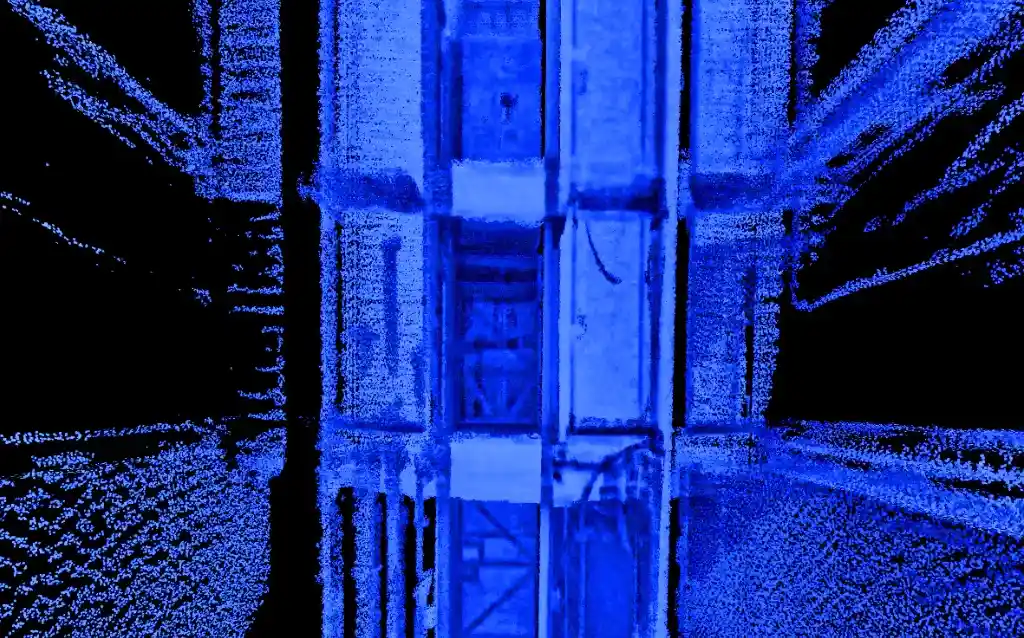
Comparing sequential hoist infrastructure scans

A single digital inspection creates a baseline.

Repeated capture can make it possible to compare infrastructure against that baseline and identify spatial changes requiring engineering review.

SafeSight does not automatically diagnose mechanical failure. It creates repeatable information engineers can investigate.

Hoist Inspection and Shaft Inspection Are Related — But They Are Not the Same Service.

SafeSight's Mine Shaft Inspection service focuses on the complete vertical shaft environment, including shaft geometry, guides, buntons, dividers and alignment.

The Hoist Inspection service focuses on the defined hoisting infrastructure and interfaces relevant to maintenance, QA/QC and condition documentation.

Explore Mine Shaft Inspection →
Mine Shaft complete environment scan vs hoist infrastructure scan

SafeSight Does Not Replace the Qualified Statutory Inspection.

SafeSight adds digital visual and spatial condition documentation to the mine's existing program. It does not replace legally required mechanical, electrical, rope, NDT, or statutory competent-person or professional-engineering inspections. Unless explicitly scoped with appropriately qualified personnel, SafeSight information is provided to the mine's engineering and maintenance teams to complement their required statutory workflows.

07 Data Integration

From Inspection to Mine-Ready Data.

Capture Platform

SafeScanner / Specific System

→

Control App

Field Verification

→

Eclipsed

Process Cloud

→

NimbVault

Manage & Visualize

→

Client Software

Engineering / Planning

08 Resources

Related Mine Scanning Resources

09 Technical Overview

Understanding Mine Hoist Inspection

EXPLORE MINE HOIST INSPECTION

What Is Mine Hoist Inspection?

Mine hoist inspection is the critical process of reviewing and maintaining the mechanical, electrical, and structural systems that transport personnel, equipment, and material in an underground mine. Traditional inspections involve qualified personnel conducting visual and physical assessments according to statutory regulations.

Digital condition assessment complements this process by using LiDAR and high-resolution imaging to create a measurable, retainable spatial record of the hoist infrastructure. This allows engineering teams to compare current geometry against historical baselines or intended design without relying solely on written logs.

Why Is Digital Condition Assessment Important?

A visual logbook entry cannot be measured retrospectively. By capturing the hoist infrastructure spatially, mines gain a 3D reference of component alignment, guide interfaces, and clearances at a specific moment in time. If a problem is suspected later, engineers can review the digital baseline to determine if structural geometry has shifted or degraded over the operational period.

How Does QA/QC Fit Into Hoist Maintenance?

Following major maintenance, rehabilitation, or initial commissioning, 3D scanning can provide an as-built record for qualified engineering review. A measurable QA/QC record does not verify compliance, certify clearances, or authorize return to service, but serves as a spatial reference for the engineering team.

10 Questions answered

Frequently Asked Questions

Does SafeSight replace the statutory hoist inspection?

No. SafeSight provides digital visual and 3D spatial documentation that complements existing programs. It does not replace required mechanical, electrical, rope, NDT, or statutory competent-person or engineering inspections.

Can SafeSight measure the shaft geometry?

Yes. SafeSight can capture high-density 3D spatial data of the shaft and relevant hoisting infrastructure to support alignment review, QA/QC, and condition documentation.

Is this the same as Mine Shaft Inspection?

While related, they are not the same service. SafeSight's Mine Shaft Inspection focuses on the complete vertical shaft environment. Hoist Inspection focuses specifically on the defined hoisting infrastructure and interfaces.

Can we compare inspections over time?

Yes. The digital record serves as a baseline. Repeated captures allow engineering and maintenance teams to review measurable spatial changes against that baseline.

Do you assess the hoist ropes?

SafeSight captures visual and spatial documentation of the defined scope. Our service does not replace certified NDT or statutory rope examinations.

What deliverables does the mine receive?

Deliverables are scoped per project but typically include high-resolution inspection imagery, 3D point cloud data, measurable geometry, and browser-viewable records via NimbVault.

How Do You Currently Inspect the Hoist?

Tell us the opening, current inspection method and technical output you need. SafeSight will recommend the capture method and scope the documentation around the maintenance decisions your team needs to make.