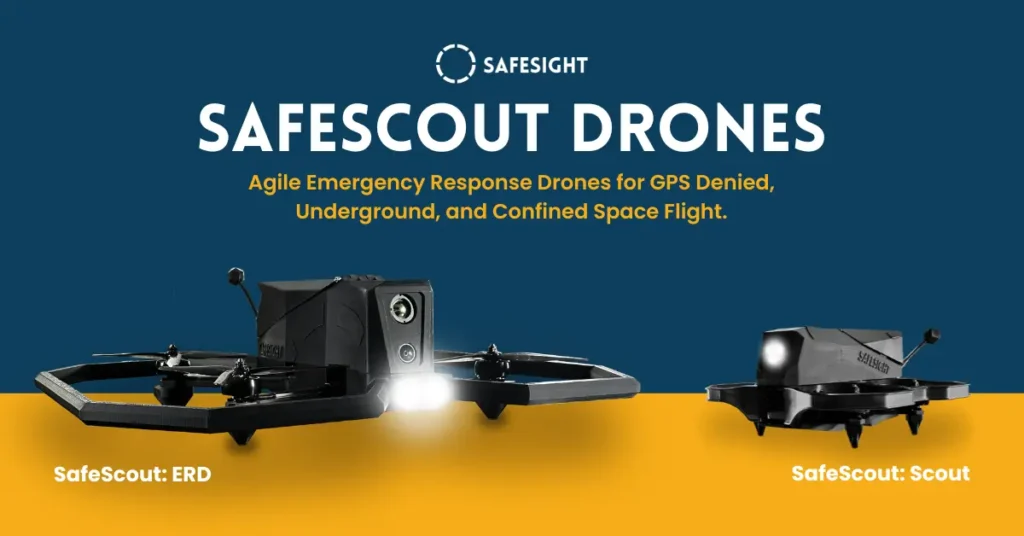
In the high-pressure world of emergency response—where every minute can save a life—the tools you use matter more than ever. Among the many capabilities of modern drones, one often overlooked but critically important factor is payload capacity. For emergency operations ranging from search and rescue to disaster assessment, a drone’s ability to carry weight directly impacts mission versatility and success.
Whether the goal is to transport a thermal camera, deliver medical supplies, or airlift communication devices, understanding the role of payload capacity in emergency drone missions is key to choosing the right equipment—and ultimately, saving lives.
What Is Payload Capacity?
Payload capacity refers to the total weight a drone can carry in addition to its own body. This includes any external gear such as sensors, cameras, LiDAR systems, lights, communication modules, or even first-aid kits.
In emergency scenarios, payload isn’t just about power—it’s about purpose. A higher payload capacity enables a drone to perform multiple roles within a single flight. From surveillance and mapping to supply drops and victim location, drones with greater payload flexibility are more mission-ready.
Real-World Payload Scenarios in Emergency Missions
Payload capacity isn’t theoretical. In real emergency situations, it plays a real role:
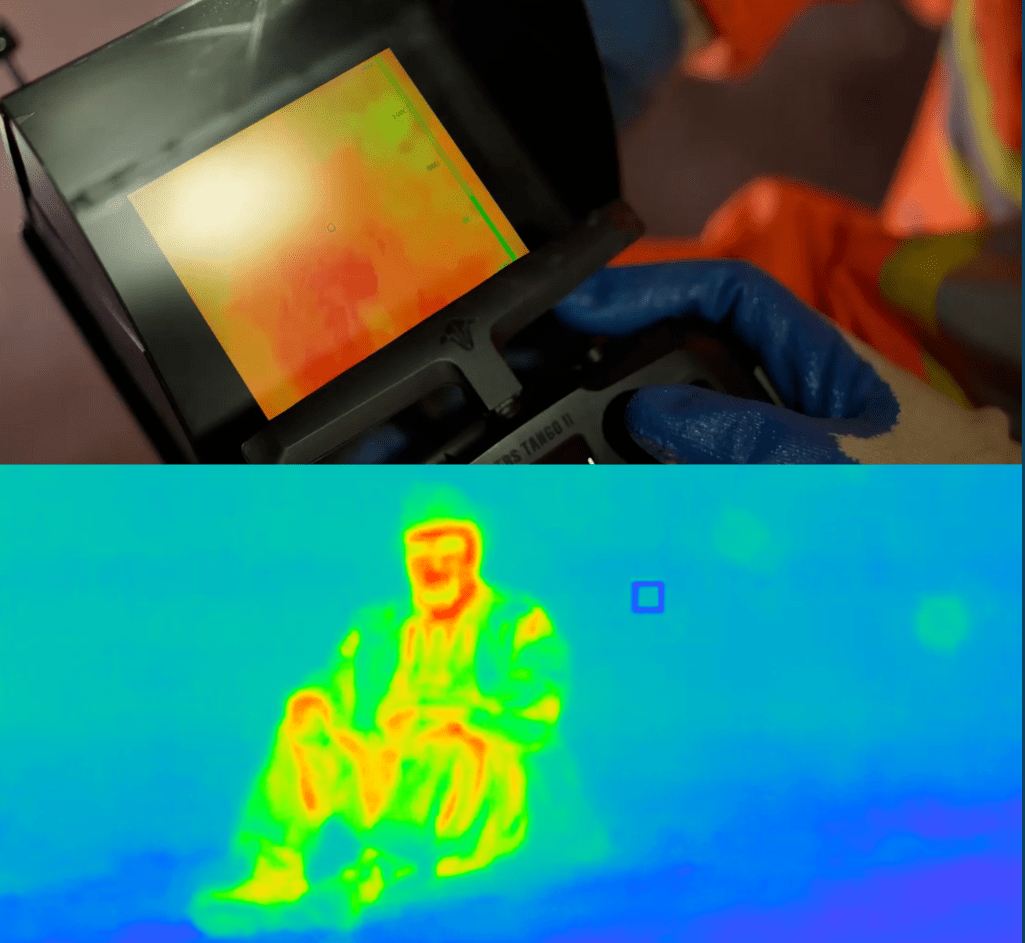
- Search and Rescue (SAR): A drone may need to carry a combination of visual and thermal imaging cameras to detect body heat in low-visibility conditions. Learn more about thermal drones.
- Post-Disaster Assessment: High-resolution cameras and LiDAR payloads are often used to capture damage at scale. Heavier payload capacity means higher-grade equipment can be deployed.
- Medical and Supply Delivery: In flood or wildfire zones, roads may be inaccessible. Drones with higher payloads can transport water, food, or medication to isolated survivors.
- Communication Recovery: Some emergency drones are fitted with signal relays to restore radio contact in blackout zones. These components require substantial carrying capacity.
Combining Payload with Mission Speed
The time it takes to launch a mission can directly affect survival outcomes. A drone with higher payload capacity can be pre-equipped with multiple tools or modular systems, reducing the need to switch devices mid-operation.
For example, a single drone can fly out with both thermal search and zoom cameras, immediately switching between heat detection and visual confirmation without returning to base. This cuts down precious minutes or even hours in fast-moving crises.
And when it comes to search and rescue drone platforms, payload capacity often determines how versatile and effective the aircraft is. Explore our full SAR drone guide here.
Enhancing Multi-Functionality in Emergency Teams
Emergency teams are often deployed with minimal gear and time. Having a drone that supports multiple payload types allows operators to:
- Perform aerial reconnaissance
- Detect survivors through thermal imaging
- Map terrain for rescue teams
- Deliver essential supplies
All in one mission, using one flight system. With modular payload systems, emergency responders can quickly attach or detach gear depending on the evolving nature of the mission—be it urban, rural, mountainous, or underwater-adjacent.
Safety and Compliance in High-Stakes Missions
Heavier payloads also affect a drone’s flight behavior. That’s why drones designed for emergency services must balance weight with flight stability, battery efficiency, and compliance.
Payload-heavy drones are typically equipped with stronger motors, reinforced arms, and advanced flight controllers to ensure stable operation, even under unpredictable wind or weather conditions.
However, operators must always be aware of local aviation regulations. In Canada and many other countries, payload capacity affects drone classification, flight altitude limits, and pilot certification requirements—especially for drones operating in urban or near-civilian zones.
How Payload Capacity Drives ROI
Investing in a drone with significant payload capacity might seem expensive upfront—but it pays off. Here’s how:
- Fewer Units Needed: A single drone can perform multiple roles, reducing the need for different specialized drones.
- More Mission Types: One drone can be used for SAR, inspections, mapping, and delivery tasks.
- Lower Downtime: Reduced need for switching out gear or launching multiple flights.
This is especially relevant for industries like mining, emergency response, and critical infrastructure, where operational continuity is a top priority.
The Connection Between Payload and Future Tech
As drone technology advances, new tools are becoming available—like gas detectors, AI-powered analytics cameras, and real-time environmental sensors. These tools require extra capacity to mount and power. Drones with limited payload will become obsolete quickly, while those with generous lift capability can evolve with future demands.
In fact, as drone AI systems grow more powerful, they will rely on better hardware—including processors and storage that add weight. A drone that can’t carry them will limit your ability to scale with innovation.
Conclusion: Don’t Undervalue Payload Capacity
In emergencies, flexibility is survival. Payload capacity is not just a spec on a sheet—it’s the backbone of a drone’s usefulness in critical missions. Whether delivering aid, gathering data, or locating survivors, a capable payload opens the door to more outcomes with fewer compromises.
So when selecting your next search and rescue drone or expanding your emergency drone fleet, prioritize payload as much as range, flight time, or camera quality. It’s the key that unlocks your drone’s full potential—and, in some cases, helps save lives.